Guide
What to Wear to Reformer Pilates
Updated 21 July 2026
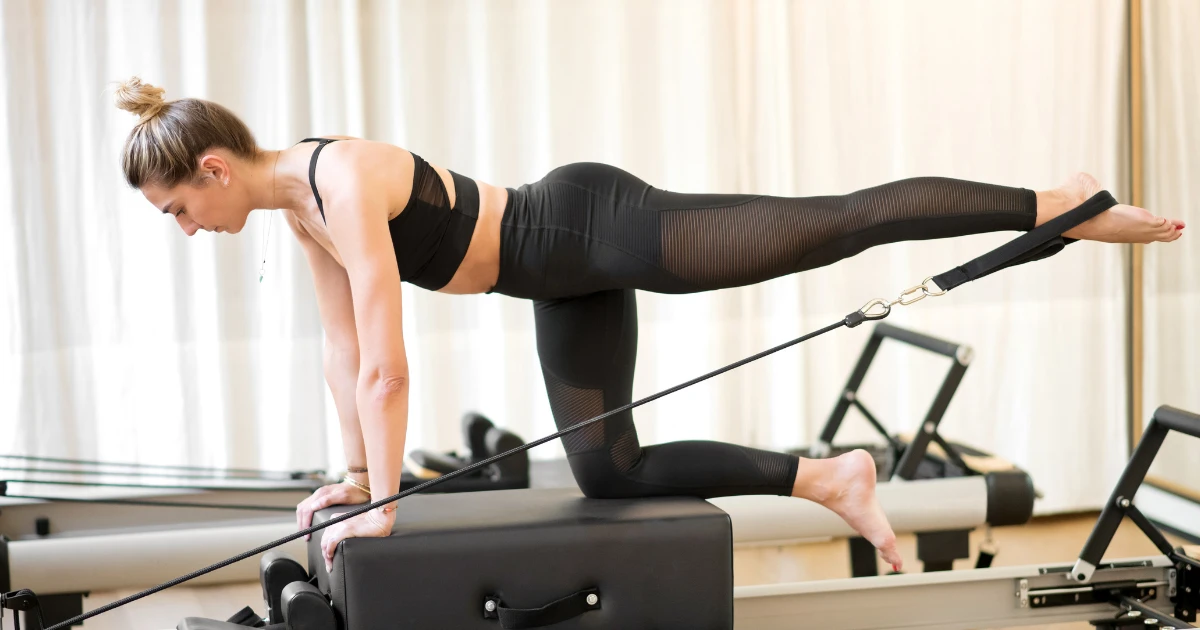
Wear fitted, stretchy activewear that won’t get caught in the reformer’s springs or straps, along with grippy (non-slip) socks rather than shoes - most studios require these and sell them if you don’t already own a pair. Avoid baggy clothing, loose jewellery and going barefoot or in regular socks, since bare feet and standard socks can slip on the carriage.
Why grippy socks matter
Standard socks slide on the reformer's carriage and footbar, which is a genuine safety issue during dynamic movements - grippy socks with silicone grip patterns on the sole solve this and are considered standard studio etiquette. Most studios sell them at reception if you turn up without a pair.
What to wear on top and bottom
Fitted leggings or bike shorts and a fitted top work best, since instructors need to see your alignment to correct your form, and loose clothing can catch in the springs or straps. Avoid clothing with zips, buttons or hardware near the hips and shoulders where straps sit.
What to leave at home
Skip dangly earrings, necklaces and bulky watches, which can catch on straps or dig in during floor-based exercises. Long hair is best tied back, and it's worth avoiding heavy lotion or oil on your hands and feet, which can make grip surfaces slippery.
Can I wear regular running shoes?
No - most studios require socks (grippy ones) or bare feet on the reformer, since shoes can damage the equipment's upholstery and reduce grip on the footbar.
Do I need my own grippy socks, or does the studio provide them?
Most studios sell grippy socks on-site for first-timers, though bringing your own once you have a pair saves buying new ones at every new studio. For everything else to expect beyond what to wear, see our full reformer Pilates for beginners guide.
Explore